
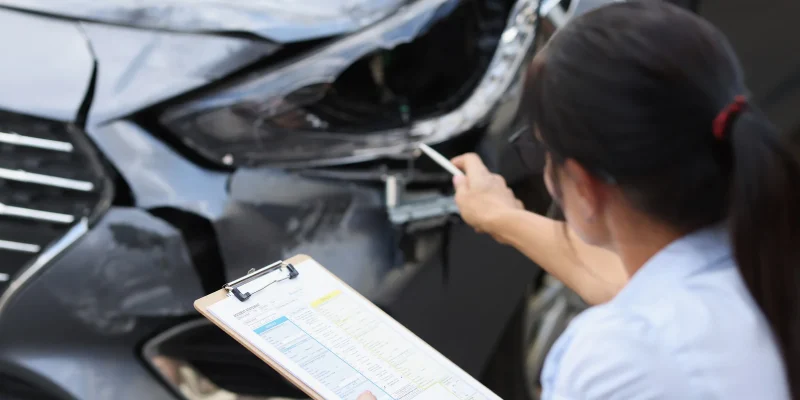
Insurance settlement offers are often accepted without question, especially when drivers assume the insurance company has calculated the vehicle’s value accurately. However, many estimates are based on broad formulas and limited market data, which may not reflect the vehicle’s true value. This can become a problem when important details such as upgrades, local resale trends, or accident history are overlooked. This can leave drivers with an insurance undervaluation car claim situation where the settlement offer is much lower than the actual loss in value. Understanding how insurance companies calculate value can help you recognize when your vehicle may have been undervalued.
How Insurance Companies Calculate Vehicle Value
Insurance companies typically use software, market databases, and depreciation formulas to determine a vehicle’s value after an accident. They may review factors such as mileage, age, condition, accident history, and recent sales of similar vehicles. However, these calculations are often based on broad averages instead of the exact details of your vehicle. This can lead to an undervalued car insurance claim if the insurer overlooks important factors that make your vehicle more valuable.
Depreciation Formulas
Many insurance companies rely heavily on depreciation formulas. Older vehicles and high-mileage cars are often automatically assigned lower values. While age and mileage do affect resale value, these formulas may not account for vehicles in excellent condition or well-maintained. A vehicle with low mileage, premium features, or a strong resale market may still be worth more than the insurer’s estimate.
Limited Comparable Data
Insurance companies often use a small group of comparable vehicles when determining value. In some cases, these comparisons may not match the exact make, model, trim level, condition, or mileage of your vehicle. For example, a vehicle with leather seats, upgraded technology, premium wheels, or a higher trim package may be compared to a more basic model. This can reduce the estimated value and create an unfair settlement offer.
Where Insurance Undervaluation Happens
Repairs Are Considered Enough
Insurance companies may assume that once repairs are complete, the vehicle has returned to its original value. In reality, many buyers are hesitant to pay full price for a vehicle with an accident history. Even if repairs are professionally completed, dealerships and private buyers may still see the vehicle as less valuable than one with a clean record.
Premium Features Are Missed
One common cause of an undervalued car insurance claim is leaving important vehicle features out of the estimate. Premium trim packages, custom upgrades, new tires, aftermarket accessories, and low mileage can all increase a vehicle’s value. If these features are not included in the insurance company’s report, the settlement amount may be much lower than it should be.
Accident History Has More Impact
Insurance companies do not always account for how much accident history affects resale value. Buyers often avoid vehicles with prior damage, even if the damage was repaired correctly. A vehicle with an accident report may sell for thousands less than a similar vehicle with no damage history. This difference is often greater than what the insurance company includes in its estimate.
Independent Appraisals Show Higher Losses
Independent appraisers often take a more detailed approach when evaluating vehicle value. They may review local market conditions, dealership offers, vehicle upgrades, repair quality, and actual resale comparisons. As a result, an independent appraisal may show that your vehicle lost much more value than the insurance company originally estimated.
Signs Your Insurance Estimate Is Too Low
There are several warning signs that you may be dealing with an undervaluation car insurance claim:
- The settlement offer is much lower than expected.
- Similar vehicles are selling for more in your local market.
- Premium features or upgrades are missing from the report.
- The insurance company does not explain how it calculated the value.
- An independent appraisal shows a larger loss.
What to Do If Your Vehicle Was Undervalued
If you believe the insurance company undervalued your vehicle, there are several steps you can take to support a higher claim amount:
- Gather repair invoices, maintenance records, and proof of upgrades or premium features.
- Compare your vehicle to similar models currently listed for sale in your area.
- Request a copy of the insurance company’s valuation report.
- Obtain an independent diminished value appraisal.
Keep dealership trade-in offers or market comparisons as supporting evidence.
Do Not Accept an Unfair Settlement Offer
If you believe your vehicle was undervalued after an accident, it is important to carefully review the insurance company’s estimate. Settlement offers are not always final, and you may have the right to challenge the value if important details were overlooked. Gather repair invoices, proof of upgrades, dealership trade-in offers, and local market comparisons. These records can help support your case and show that the insurance company’s estimate does not reflect the true value of your vehicle. Contact Collision Claim Associates if you believe you have an undervaluation car insurance claim and need help reviewing your settlement offer.


No comments yet. You should be kind and add one!
The comments are closed.