
Start Your Utah Diminished Value Claim Review Here
Utah Diminished Value Claims
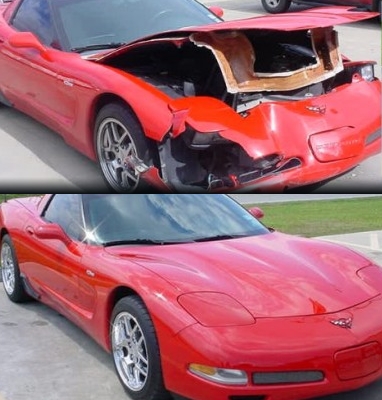
Utah is a diminished value state, which means you may be entitled to recover the lost market value of your vehicle after an accident caused by another driver. A vehicle with an accident history is often worth less than a similar vehicle with no prior damage, even if repairs were completed properly.
It is important to understand that many insurance companies do not automatically include diminished value in their settlement offers. In many cases, the vehicle owner must provide evidence that the vehicle lost value after the accident.
Determining Utah diminished value often requires a professional appraisal, repair documentation, market research, and a review of comparable vehicle sales. The statute of limitations on Utah diminished value claims is 3 years.
Utah also allows uninsured motorist coverage for diminished value in some situations. However, you generally cannot submit a diminished value claim if you were the at fault party in the accident or if the damage was caused by something other than a collision.
You can see if you qualify for a claim by filling out the claim review form above.
What Is Diminished Value?
Diminished value is the difference between what your vehicle was worth before the accident and what it is worth after repairs are completed.
For example, a car worth $35,000 before an accident may only be worth $30,000 after repairs because buyers are often hesitant to pay full value for a vehicle with a reported accident history.
Even if the repairs are high quality, buyers may still worry about:
- Structural damage
- Frame damage
- Paint work
- Safety concerns
- Reduced resale value
- Lower trade in offers
- Negative vehicle history reports
This loss in resale value is often called inherent diminished value.
Why Vehicles Lose Value After an Accident
There are several reasons why a repaired vehicle may lose value after an accident.
Vehicle History Reports
Most buyers review reports from services like CARFAX before purchasing a used car. Once an accident appears on the vehicle history report, many buyers become less willing to pay full market value.
Buyer Perception
Even when repairs are completed properly, many buyers believe a repaired vehicle may have hidden problems. They may worry about future issues involving alignment, suspension, safety systems, or body panels.
Dealer Trade In Offers
Dealerships often offer less money for vehicles with prior accident damage. This lower trade in value can directly affect the owner’s financial loss.
Luxury And Newer Vehicles
Newer vehicles, luxury cars, trucks, SUVs, and vehicles with low mileage often experience higher diminished value because buyers expect these vehicles to be in excellent condition.
Who Can File A Utah Diminished Value Claim?
You may qualify for a Utah diminished value claim if:
- Another driver caused the accident
- Your vehicle was repaired after the accident
- Your vehicle lost resale value
- You have repair estimates and accident records
- The accident happened within the last 3 years
In most cases, the claim is filed against the at fault driver’s insurance company.
If you were at fault for the accident, you usually cannot recover diminished value from your own insurance company unless your policy includes specific coverage.
Types Of Diminished Value
There are three common types of diminished value claims.
Inherent Diminished Value
This is the most common type of claim. It refers to the loss in value that remains after a vehicle has been repaired.
Immediate Diminished Value
This is the difference in value immediately after the accident occurs but before repairs are completed.
Repair Related Diminished Value
This occurs when poor quality repairs lower the vehicle’s value even further.
How Diminished Value Is Calculated In Utah
Insurance companies and appraisers use several methods to estimate diminished value.
Some insurers rely on the 17c formula, but this formula often understates the actual loss in value.
A stronger approach is to review:
- The vehicle’s value before the accident
- The type of damage
- Repair costs
- Vehicle age
- Mileage
- Prior accidents
- Market demand
- Comparable sales data
- Trade in offers
Professional appraisers often compare similar vehicles with and without accident history to determine a fair estimate of the vehicle’s lost value.
Utah Diminished Value Claim Process
If you believe your vehicle lost value after an accident, there are several steps you should follow.
1. Keep All Documents
Save copies of:
- Repair estimates
- Repair invoices
- Photos of the damage
- Police reports
- Insurance claim information
- Vehicle history reports
- Appraisal reports
2. Complete Repairs
Most insurance companies will not review a diminished value claim until repairs are complete.
3. Request A Professional Appraisal
A professional appraisal can help prove the difference between the vehicle’s value before the accident and after repairs.
4. Submit Your Claim
Submit your supporting documents to the insurance company for the at fault driver.
5. Negotiate If Necessary
Insurance companies may offer less than the actual amount of diminished value. In some cases, additional evidence or a second appraisal may be necessary.
Example Of A Utah Diminished Value Claim
A Utah driver owns a 2023 SUV worth $42,000 before an accident.
The vehicle is involved in a collision that causes $9,000 in damage. Repairs are completed, but the vehicle now has an accident history report.
After repairs, similar vehicles with accident history are selling for only $36,500.
In this example, the owner may have a diminished value claim of approximately $5,500.
Common Mistakes That Can Hurt A Claim
Many drivers lose money because they make mistakes during the claim process.
Common issues include:
- Waiting too long to file the claim
- Not keeping repair records
- Accepting the first insurance offer
- Failing to get an appraisal
- Not documenting vehicle condition before the accident
- Assuming repairs fully restore value
Why Professional Help Matters
Insurance companies often try to reduce or deny diminished value claims. They may argue that the repairs restored the vehicle to its original condition.
Working with experienced Utah diminished value experts like Collision Claims can strengthen your case. Our team reviews repair records, accident details, market data, and comparable vehicle sales to determine the true loss in value.
An experienced appraisal company can provide documentation, market research, and valuation support to help substantiate the claim and improve negotiation outcomes.
Professional assistance may be especially important for:
- Luxury vehicles
- Trucks
- SUVs
- Commercial vehicles
- Low-mileage vehicles
- New vehicles
- Vehicles with significant repair costs
Utah Diminished Value Claim Info
Utah Statute Of Limitations: 3 Years
Uninsured Motorist Coverage: YES
Diminished Value For At Fault Party: NO
Frequently Asked Questions About Utah Diminished Value
How long do I have to file a Utah diminished value claim?
Utah gives vehicle owners up to 3 years to file a diminished value claim after the date of the accident.
Can I file a diminished value claim if I was at fault?
In most cases, no. If you caused the accident, you usually cannot recover diminished value unless your insurance policy specifically includes that coverage.
Does every repaired vehicle lose value?
Most vehicles lose some value after an accident, especially if the accident appears on a vehicle history report.
What documents do I need?
You should keep repair estimates, invoices, accident reports, photos, appraisal reports, and insurance information.
Can a vehicle with minor damage still have diminished value?
Yes. Even minor damage can affect resale value if the accident appears on a vehicle history report.
How much is my Utah diminished value claim worth?
The value of the claim depends on the vehicle, age, mileage, repair costs, accident severity, and market conditions.
Fill out the free claim review form above to find out whether you qualify for a Utah diminished value claim.