
Start Your Vermont Diminished Value Claim Review Here
Vermont Diminished Value Claims
Vermont is a diminished value state, which means you may be entitled to the diminished value of your vehicle after an auto accident. It’s important to note that determining the diminished value often requires a professional appraisal value claim to accurately assess the impact of the accident on your vehicle’s worth. The statute of limitations on diminished value claims in Vermont is 3 years, and Vermont does have uninsured motorist coverage for diminished value. You can’t submit a Vermont diminished value claim if you were the at-fault party in an accident, or if the damage was caused by something other than a collision. You can see if you qualify for a diminished value claim by filling in the claim review form above.
Vermont Diminished Value Claim Info
Vermont Statute Of Limitations: 3 Years
Uninsured Motorist Coverage: YES
Diminished Value For At Fault Party: NO
What Is Diminished Value and Why It Matters in Vermont
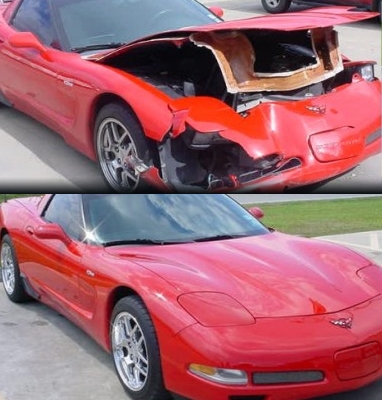
Diminished value is the difference between what your car was worth before an accident and what it is worth after repairs are completed. Even if the vehicle looks fully repaired, most buyers will pay less for a car with an accident history.
For many Vermont drivers, this loss in resale value can be one of the biggest financial impacts after a collision. Insurance companies may pay for the repair costs, but they do not always offer compensation for the lower resale value.
A Vermont diminished value claim helps drivers recover the difference between the vehicle’s pre accident value and its lower market value after repairs.
Why Vermont Drivers File Diminished Value Claims
Many Vermont drivers are surprised to learn that a repaired vehicle can still lose thousands of dollars in value.
This is especially true for:
- Luxury cars
- Trucks and SUVs
- Newer vehicles
- Low mileage vehicles
- Vehicles with structural damage
- Vehicles with accident reports on Carfax or AutoCheck
When a buyer sees an accident on a vehicle history report, they often assume there may still be hidden damage or future repair issues. Because of this, your car may sell for less, trade in for less, or stay on the market longer.
Filing a diminished value claim can help recover some of that financial loss.
Types of Diminished Value
There are several types of diminished value that can affect a vehicle after an accident.
Immediate Diminished Value
Immediate diminished value is the difference between the vehicle’s resale value immediately before the accident and immediately after the accident before repairs are completed.
Inherent Diminished Value
Inherent diminished value is the most common type of loss. This is the reduction in value that remains even after high quality repairs are completed.
A vehicle with an accident history is usually worth less than a similar vehicle with no accident history.
Repair Related Diminished Value
Repair related diminished value happens when the repairs themselves reduce the value of the vehicle.
Examples include:
- Poor paint matching
- Aftermarket parts
- Uneven panel gaps
- Structural issues
- Visible repair work
How Diminished Value Is Calculated
There is no single formula that accurately measures diminished value for every vehicle. Insurance companies often use simplified methods that reduce the amount they offer.
A professional appraisal usually considers:
- Pre accident market value of the car
- Age and mileage of the vehicle
- Severity of damage
- Quality of repairs
- Whether OEM parts were used
- Vehicle history reports
- Local Vermont resale market conditions
- Demand for that type of vehicle
A newer car with low mileage and major structural damage will often have a much higher loss in value than an older vehicle with minor cosmetic damage.
How To File a Vermont Diminished Value Claim
Step 1: Gather Your Documents
Before filing a claim, collect all records related to the accident and repairs.
This may include:
- Repair estimates
- Final repair invoices
- Photos of the damage
- Police reports
- Insurance correspondence
- Carfax or AutoCheck reports
- Proof of vehicle condition before the accident
The more documentation you have, the easier it is to show the insurance company that your vehicle suffered a loss in value.
Step 2: Get a Professional Appraisal
A professional appraisal can help determine the actual amount of diminished value your vehicle experienced.
Insurance companies often rely on formulas that undervalue the claim. An independent appraisal provides support for the true resale loss of your car.
Step 3: Submit Your Claim
Once you have your documents and appraisal, you can submit your Vermont diminished value claim to the at fault driver’s insurance company.
Include:
- Repair records
- Vehicle information
- Appraisal report
- Demand amount
- Explanation of the loss in value
Step 4: Negotiate if Needed
Insurance companies may deny the claim, make a low offer, or argue that the repairs restored the vehicle to its original value.
If that happens, supporting evidence and a professional report can help strengthen your position.
Common Reasons Insurance Companies Deny Diminished Value Claims
Insurance companies may deny or reduce a diminished value claim for several reasons.
Common objections include:
- The vehicle had previous damage
- The repairs were minor
- The driver was partially at fault
- The car has high mileage
- There is not enough documentation
- The insurer believes the repairs restored the value
Even if the insurance company pushes back, many Vermont drivers are still able to recover compensation with proper documentation and support.
Factors That Increase Diminished Value
Certain types of damage can make the resale loss much worse.
These include:
- Structural damage
- Frame damage
- Airbag deployment
- Major body repairs
- Paint mismatch
- Replacement of multiple panels
- Use of aftermarket parts
- Multiple accidents on the vehicle history report
The more severe the damage, the greater the chance your vehicle will suffer a higher loss in value.
FAQ About Vermont Diminished Value Claims
Can I file a diminished value claim if I was at fault?
In most cases, no. Vermont drivers who are at fault in the accident are generally not eligible to recover diminished value from the other insurance company.
How long do I have to file a Vermont diminished value claim?
The statute of limitations for a Vermont diminished value claim is generally 3 years from the date of the accident.
How much diminished value can I recover?
The amount depends on the type of vehicle, age, mileage, severity of damage, repair quality, and resale market conditions.
Does a repaired car still lose value?
Yes. Even if repairs are completed correctly, most buyers will pay less for a vehicle with an accident history.
What documents do I need for a diminished value claim?
Helpful documents include repair estimates, final invoices, photos, police reports, insurance records, and a professional appraisal.
Get Help With Your Vermont Diminished Value Claim
If your vehicle lost value after an accident, Collision Claim Associates, Inc. can help you understand your options.
Our team provides professional appraisals and claim support for Vermont drivers who want to recover the true loss in value of their car.
Start your free review today to see if you qualify for a Vermont diminished value claim and learn how much your vehicle may have lost in resale value.